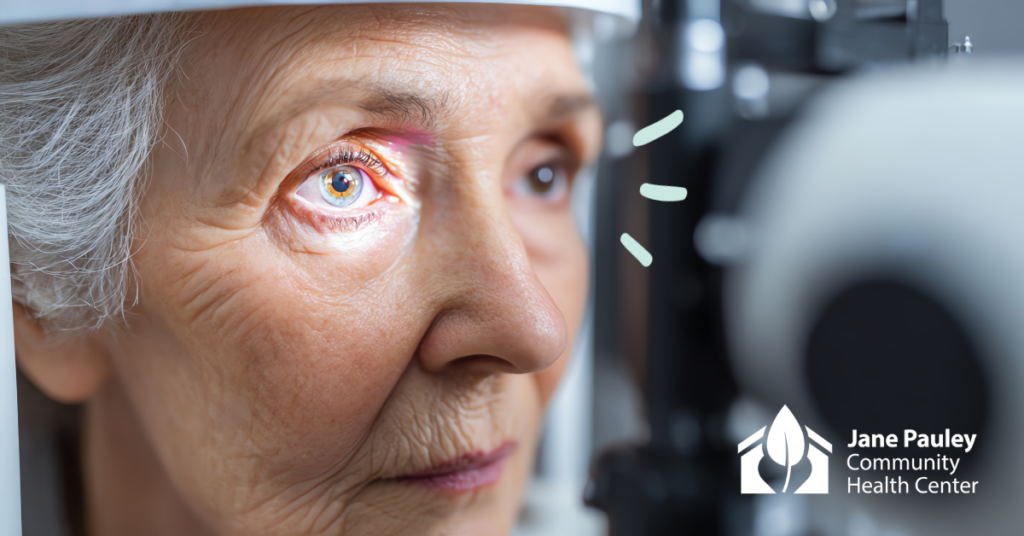
June is Cataract Awareness Month, making this an important time to raise awareness about one of the leading causes of vision loss in adults. Cataracts are often associated with aging, but they can also affect younger adults and children. That broader reality makes education, early detection, and routine eye exams especially important for people at every stage of life.
Why cataract awareness matters
Cataracts are extremely common and remain a major public health issue. According to the National Eye Institute, more than half of Americans age 80 and older either have cataracts or have had cataract surgery, and cataracts can lead to blurry, hazy, or less colorful vision over time. The National Eye Institute also note that cataracts can develop gradually and may not cause obvious symptoms at first, which is why regular eye care plays such an important role in catching changes early.
Common risk factors and warning signs
“A cataract is the natural clouding of the lens inside a patient’s eye that happens over time with age and will typically affect all patients later on in life,” says Optometrist Dr. Anna Slemp. “Aging is one of the most common risk factors for cataracts, but it is not the only one. Smoking, diabetes, certain medications, and prolonged UV exposure can also increase risk for early onset cataracts. Knowing these factors and staying proactive with regular eye care can make a meaningful difference in long-term eye health.”
Dr. Slemp also adds, “Symptoms such as cloudy or blurry vision, double vision, difficulty seeing at night, and light sensitivity should not be ignored. These changes can signal cataracts or another eye condition, so it is important to see an eye care provider for a proper evaluation and diagnosis.”
The role of routine eye exams
Routine eye exams help identify cataracts and other eye conditions before they significantly affect daily life. Dr. Slemp adds, “Cataracts affect millions of Americans, and while they are most common in older adults, they can also occur in younger adults and, in rare cases, children. That is why routine eye exams are so important. They help identify risk factors early and give patients the best chance to protect their vision.”
Early detection can give patients more time to understand their risk factors, monitor changes, and make informed decisions about treatment when needed. Cataract Awareness Month is a timely reminder that staying proactive with eye health is one of the best ways to protect long-term vision.
When was your last eye appointment? This month, let this be your reminder to stay up to date on routine appointments. Call us today to learn about how we can support your health with services such as optometry.
Dr. Anna Slemp is an optometrist at the Arlington location of the Jane Pauley Community Health Center. She has been practicing optometry for 9 years, and she received her Doctor of Optometry from Indiana University.