
April is Cancer Prevention and Early Detection Month, a time to focus on the steps we can all take to reduce cancer risk and catch cancer earlier when it is often most treatable. One of the most important tools in cancer prevention is something many people postpone or skip altogether: regular primary care appointments and routine cancer screenings.
Despite clear evidence that screenings save lives, 65% of Americans ages 21 and older are not up to date on at least one routine cancer screening. That gap puts millions of people at higher risk for late-stage cancer diagnoses that could have been prevented or detected earlier.
Why Regular Cancer Screenings Matter
Cancer continues to affect families and communities across the country at an alarming rate:
- An estimated 2 million Americans were diagnosed with cancer in 2025, and more than 618,000 people died from the disease.
- About 40% of cancer cases are linked to preventable factors, including smoking, excess body weight, physical inactivity, and too much sun exposure.
- Research shows that increasing cancer screenings by just 10% could save tens of thousands of lives, including 21% fewer deaths from colorectal cancer and 40% fewer deaths from cervical cancer.
Routine screenings, when paired with regular primary care visits, allow providers to identify risk factors, spot symptoms early, and guide patients toward preventive care before small concerns become serious health issues.
The Role of Primary Care in Cancer Prevention
Primary care providers play a critical role in helping patients stay on track with screenings and preventive care. These regular visits create opportunities for personalized guidance based on age, family history, and overall health.
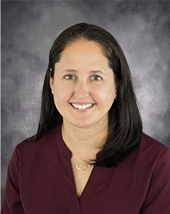
Family medicine physician and medical director Dr. Meredith Taylor elaborates: “Regular primary care visits give physicians the opportunity to spot concerning symptoms early and complete appropriate cancer screenings, often preventing much more serious problems.”
Dr. Taylor also reminds patients, “cancer remains the second leading cause of death in the U.S. and many people are not up to date on recommended screenings. I strongly encourage my patients to stay current, because many cancers are highly treatable when detected early.”
Early detection often makes treatment less invasive and more successful. Something simple today can make a life-saving difference tomorrow.
“Early detection saves lives,” says Dr. Taylor. “Following recommended cancer screenings is one of the most important steps you can take to protect your health.”
Take Charge of Your Health This April
If you’re unsure whether you’re up to date on cancer screenings, now is the perfect time to check in with your primary care provider. Regular visits allow clinicians to monitor changes in your health, address concerns early, and recommend appropriate screenings based on current guidelines.
This Cancer Prevention and Early Detection Month, take a proactive step for yourself and your loved ones. Schedule your primary care appointment, ask about recommended screenings, and make prevention a priority.
Dr. Meredith Taylor is a family medicine physician and medical director at the 16th Street location of the Jane Pauley Community Health Center. She has been in practice for over 15 years and received her degree from Indiana University.