
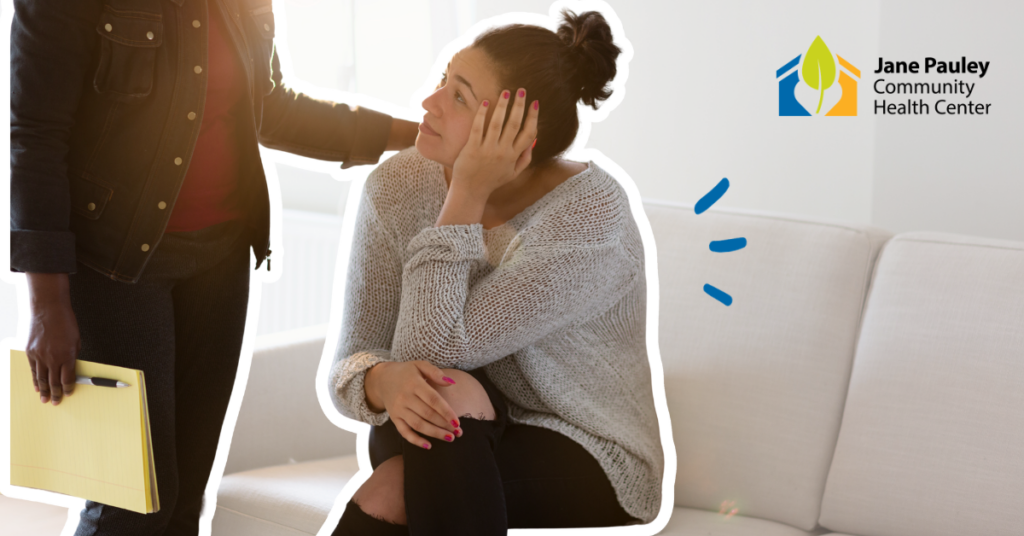
June is PTSD Awareness Month, a time to raise awareness about Post-Traumatic Stress Disorder and remind people that trauma-related symptoms are real, common, and treatable. PTSD can affect anyone who has experienced or witnessed a traumatic event, including violence, a serious accident, a natural disaster, medical trauma, combat, or another frightening experience.
Clinical Psychologist and JPCHC’s Director of Behavioral Health Training Dr. Jared Bishop adds, “Post-Traumatic Stress Disorder, or PTSD, can develop after someone experiences or witnesses a traumatic event. While it’s normal to feel shaken up after something frightening, PTSD is when those reactions continue, make everyday life harder, and leave a person feeling on edge or unsafe even after the danger has passed.”
When Trauma Reactions May Be PTSD
After a traumatic event, it is normal to feel unsettled, anxious, emotional, or physically on edge. Many people notice changes in sleep, concentration, mood, or daily routines for a period of time. For some, those symptoms ease as they receive support and return to regular life. For others, symptoms persist and begin to interfere with work, school, relationships, parenting, or basic daily tasks.
PTSD symptoms often include intrusive memories, nightmares, flashbacks, avoiding reminders of the trauma, feeling emotionally numb, having negative changes in mood, feeling easily startled, or staying constantly alert for danger. These symptoms can show up soon after trauma or months later, and they may come and go over time.
Dr. Bishop reiterates, “A lot of people have stress reactions after trauma, but if symptoms like nightmares, flashbacks, avoidance, feeling constantly on guard, or changes in mood are lasting more than a month and are interfering with work, relationships, or daily routines, it may be PTSD. That’s a good time to talk with a licensed mental health professional who can help sort out what’s going on.”
Why Seeking Help Matters
PTSD is more common than many people realize. Around 6% of U.S. adults experience PTSD at some point in their lives, and PTSD also commonly occurs alongside other health concerns, including substance use disorders. In Indiana, PTSD prevalence is above the national average, yet many Hoosiers diagnosed with PTSD are not receiving treatment.
That treatment gap matters because untreated PTSD can affect sleep, physical health, relationships, work performance, emotional well-being, and a person’s ability to feel safe. The good news is that PTSD is treatable, and evidence-based care can help people better understand their symptoms, reduce distress, and rebuild routines that support healing.
“Seeking help matters because PTSD is treatable, and support can make a real difference,” says Dr. Bishop. “The sooner someone reaches out, the sooner they can begin to feel more grounded, sleep better, and regain a sense of control. There’s strength in asking for help, and no one has to work through trauma alone.”
Take the Next Step
If you or someone you love is struggling after a traumatic experience, consider reaching out to a licensed mental health professional. A trained provider can help determine whether symptoms may be PTSD and recommend care options that fit your needs.
During PTSD Awareness Month and beyond, remember: talking about trauma is not a sign of weakness. It can be the first step toward healing, support, and a better quality of life. Give us a call today to schedule an appointment with a professional.
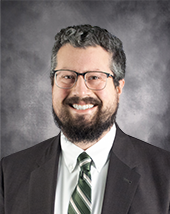
Dr. Jared Bishop is a Psychologist who practices at the Anderson location of the Jane Pauley Community Health Center. He also serves as JPCHC’s Director of Behavioral Health Training. Dr. Bishop earned his Ph.D. at Ball State University.


