March is National Endometriosis Awareness Month, a time dedicated to shining a light on a health condition that is often misunderstood, underdiagnosed, and overlooked. Endometriosis affects the lives of millions of women and girls worldwide, yet many people are still unfamiliar with what it is, how it impacts daily life, and when to seek help.
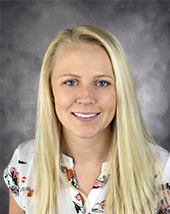
At the Jane Pauley Community Health Center, we believe education and awareness are powerful tools. To help separate myths from facts, our Women’s Health Nurse Practitioner, Alyssa Yeager, has shared her expertise to discuss what individuals need to know about endometriosis, from symptoms and diagnosis to treatment and advocacy.
What Is Endometriosis?
Endometriosis is a chronic condition in which tissue similar to the lining of the uterus grows outside of the uterus. This misplaced tissue can cause inflammation, pain, and the formation of scar tissue, often leading to symptoms that interfere with daily life. While symptoms can vary widely from person to person, endometriosis is a lifelong condition that deserves attention and care.
Unfortunately, many individuals with endometriosis go years without a diagnosis. Symptoms are sometimes dismissed as “normal period pain” or minimized, leaving people to suffer in silence.
As Alyssa Yeager explains, “Endometriosis is often underdiagnosed because women’s symptoms and concerns are ignored or downplayed. However, endometriosis is more common than many think and affects millions of women.”
Endometriosis is not a rare condition, and its impact can be significant.
- Endometriosis affects an estimated 11% of women in the United States, making it a major public health issue.
- Millions of women experience chronic pain, heavy or painful periods, fatigue, infertility, and more as a result of endometriosis.
- Research has also shown links between endometriosis and other health concerns, including allergies, autoimmune diseases, cardiovascular disease, and certain types of cancer.
Recognizing the Symptoms
Endometriosis does not look the same for everyone. Some people may experience severe pain, while others have few or no noticeable symptoms.
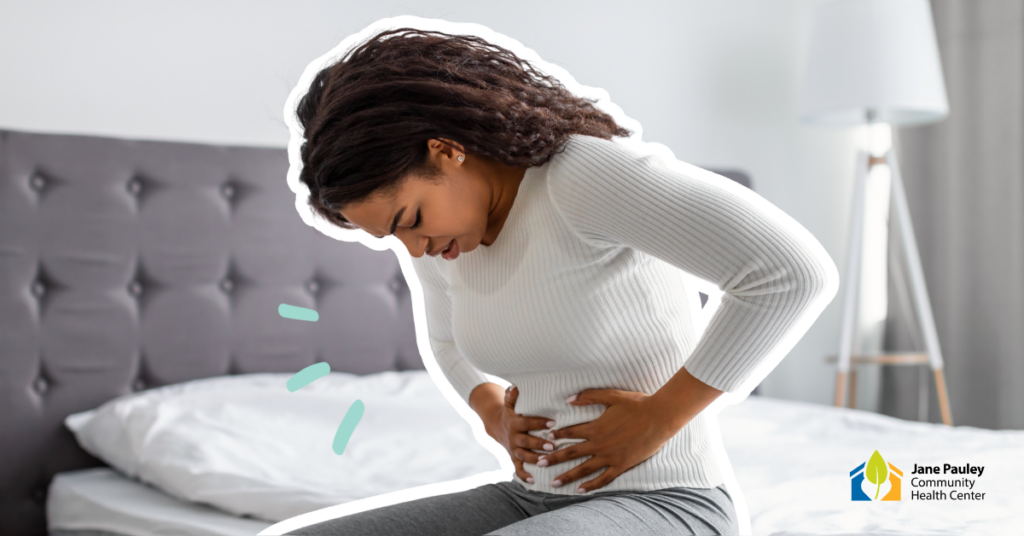
Alyssa emphasizes the importance of listening to your body and speaking up. “Talk to a trusted healthcare provider if you feel you have some of the symptoms of endometriosis. This can include very painful menstrual cramps, chronic pain in the lower back and pelvis, and stomach issues such as bloating or nausea.”
Early conversations with a healthcare provider can make a difference. While diagnosing endometriosis can take time, advocating for yourself is an important step toward relief and answers.
Treatment, Support, and Hope
While there is currently no cure for endometriosis, there are treatments available that can help manage symptoms and improve quality of life. Treatment plans may include pain management options, hormone therapy, lifestyle adjustments, or other medical interventions tailored to each person’s needs and goals.
Endometriosis can also raise concerns about fertility, but support and treatment can help many people navigate those challenges.
Alyssa shares, “There are treatments that can help to reduce pain and increase your chances of becoming pregnant. However, advocacy and awareness are important to continue crucial research into endometriosis diagnosis and treatment and encourage women to seek help.”
Breaking the Stigma Together
For far too long, conversations about menstrual health and chronic pain have been stigmatized or brushed aside. National Endometriosis Awareness Month is a reminder that these conversations matter, and that no one should feel dismissed or alone when it comes to their health.
By sharing accurate information, listening to patient experiences, and promoting compassionate care, we can help ensure that individuals with endometriosis receive the recognition, validation, and treatment they deserve.
Alyssa Yeager is a Women’s Health Nurse Practitioner at the Jane Pauley Community Health Center. She has been in practice for 6 years, and she received her degree from Vanderbilt University.