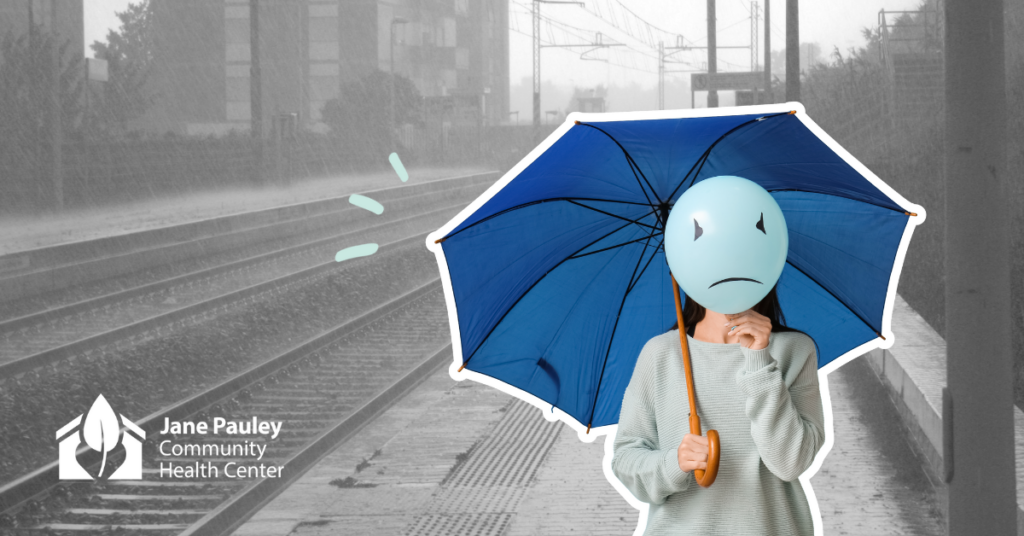
As winter settles in, many people notice changes in their mood. Shorter days, colder temperatures, and reduced sunlight can leave even the most resilient individuals feeling sluggish or down. For some, however, these seasonal changes bring more than just the occasional case of the winter blues.
Seasonal Affective Disorder (SAD) is a form of depression that follows a seasonal pattern, most commonly beginning in the fall or early winter and improving in the spring. About 5% of American adults experience SAD each year, and many more feel milder symptoms tied to the changing seasons.
What Is Seasonal Affective Disorder?
Seasonal depression, or seasonal affective disorder, is considered a subtype of major depression. It typically starts and ends around the same time each year, often coinciding with decreased exposure to sunlight during winter months. While winter-pattern SAD is the most common, symptoms can occur at other times of year as well.
According to our psychologist, Dr. Jared Bishop, recognizing changes in emotional well-being is key during this time of year.
“It’s important to stay aware of your emotions, especially during the winter months, when many people experience a dip in mood. If you notice persistent symptoms of depression, such as a loss of interest in activities you once enjoyed, ongoing feelings of sadness or anxiety, or chronic fatigue, it may be time to speak with a mental health professional.”
Why Sunlight Matters
One of the primary factors believed to contribute to SAD is reduced exposure to sunlight. Less daylight can disrupt the body’s internal clock and affect brain chemicals that regulate mood.
“Seasonal Affective Disorder (SAD) can affect anyone at any time of year, even during the summer, but it most commonly occurs in the winter months. A lack of sunlight is believed to be the primary cause and can significantly impact emotional well-being. For individuals living with SAD, these mood changes tend to be more intense and disruptive.”
This is especially relevant in the Midwest, where winter days are shorter and overcast conditions are common. In fact, more than half of Midwesterners report that their mood declines during the winter months.
How Common Is SAD?
SAD is more widespread than many people realize. An estimated 10 million Americans are affected, and women are diagnosed at significantly higher rates.
“SAD affects an estimated 10 million Americans, with women diagnosed at four times the rate of men. While it’s normal to feel down as days grow shorter and holiday schedules change routines, a consistent and significant shift in mood that occurs with the seasons each year may be a sign of SAD.”
Recognizing the difference between temporary stress or low mood and recurring seasonal depression is an important step toward getting help.
Access to Care Matters
Mental health support is critical, yet access remains a challenge for many communities. More than 4 million Hoosiers live in areas experiencing a shortage of mental health professionals. This makes awareness, early recognition, and timely care even more essential.
If you or someone you love experiences recurring seasonal mood changes that interfere with daily life, reaching out to a mental health professional can make a meaningful difference. Support, treatment options, and coping strategies are available, and help is closer than you may think.
If you are looking for a mental health professional to talk about SAD or any other behavioral health concerns, request an appointment at any of our clinics today!

Dr. Jared Bishop is a Psychologist who practices at the Wigwam location of the Jane Pauley Community Health Center. He also serves as JPCHC’s Director of Behavioral Health Training. Dr. Bishop earned his Ph.D. at Ball State University.